Precision Through Innovation: Ryder Shenzhen Recognised as an Advanced-Level Smart Factory
At Ryder Industries, our commitment to ‘Swiss Precision, Asian Drive’ requires a continuous investment in our people, our processes and our technology. It is a fitting reflection of this that our Chinese coastal facility has recently been recognised as an ‘Advanced-Level Smart Factory’,by the Shenzhen Municipal Bureau of Industry and Information Technology. This positions Ryder’s Shenzhen factory in an elite group of 7,000 factories with this award out of the 6 million manufacturing enterprises in China.
This achievement is the culmination of a dedicated, four-year upgrade project focused on digitalisation and automation, underpinned by a clear commitment to sustainability. The ‘Advanced’ tier reflects our facility’s integrated data infrastructure, precise process control capabilities and the successful deployment of intelligent systems across multiple scenarios.
To achieve this recognition, Ryder demonstrated excellence across six certified smart manufacturing scenarios. By integrating our systems end-to-end, we have transformed our operations to deliver greater value, speed and reliability to our customers:
1. Intelligent Warehousing We have transformed our material handling from manual picking to a goods-to-person logistics model. By combining a smart vertical storage system with automated guided vehicles (AGVs) and integrating our management systems into a closed data loop, we enable material supply that is triggered automatically by production line demand. This has reduced line-side inventory by 40%, decreased stocktaking time by over 90% and entirely eliminated material picking and delivery errors.
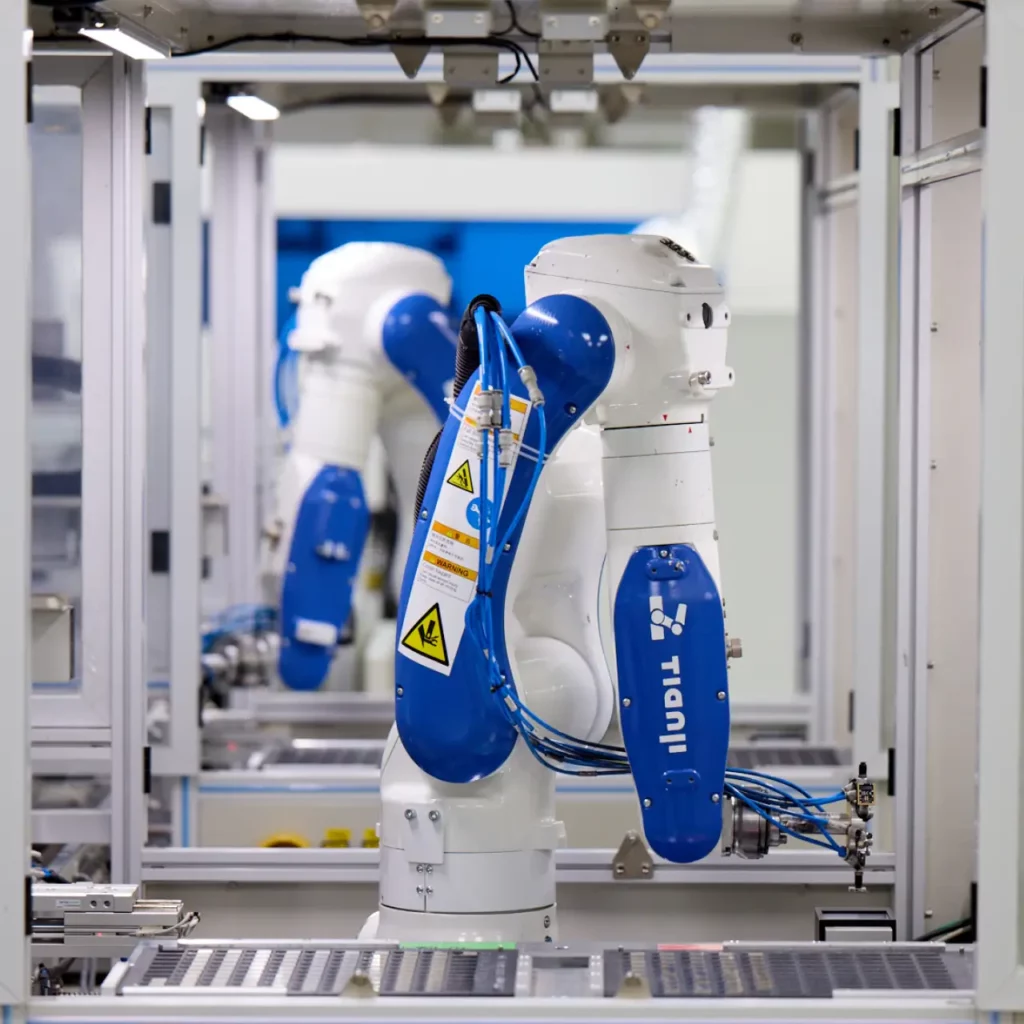
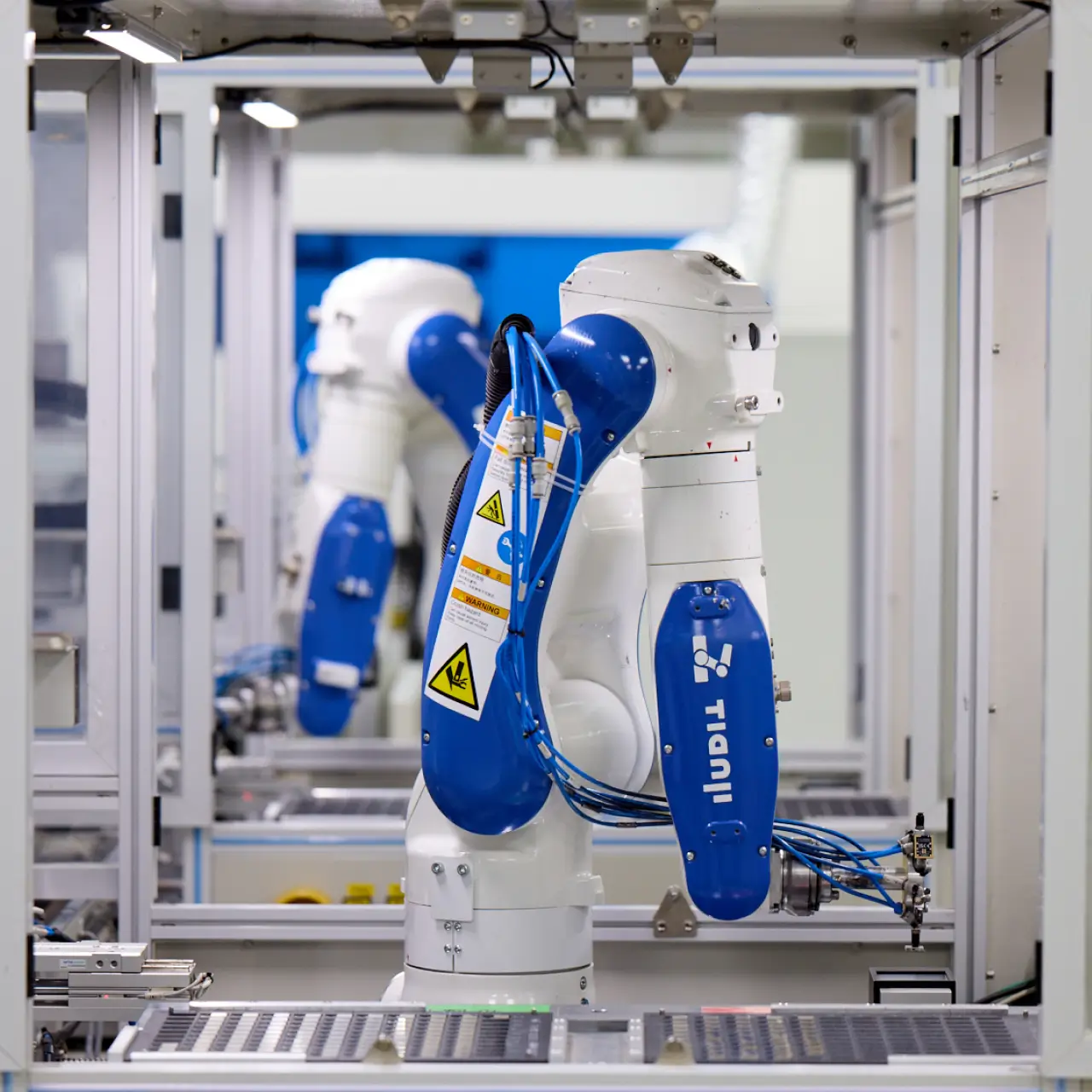
2. Human-Machine Collaboration In our injection moulding workshop, we have deployed five-axis robotic arms, in-mould intelligent monitoring and ultrasonic gate separation. This fully replaces manual operations in high-temperature environments. Supported by a central conveyor system, these upgrades have more than doubled production efficiency and reduced relevant workforce configurations by approximately 40%and utilised automated inspection to raise product pass rates.
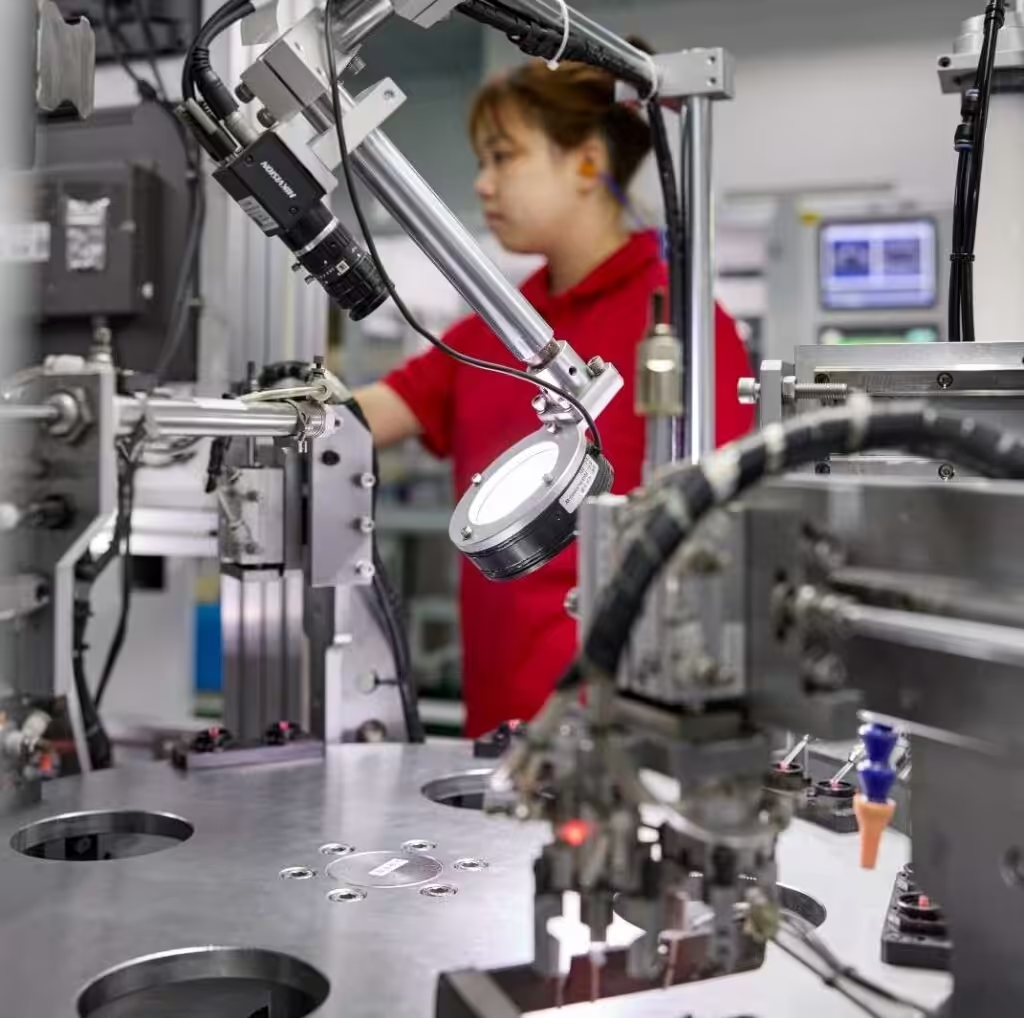
3. Precision Quality Traceability We have implemented an integrated Manufacturing Execution System (MES) that covers the full product lifecycle from incoming material inspection to after-sales support. This provides both forward and reverse traceability, which has reduced quality issue resolution time from eight hours to just one hour. It has also lowered our product defect rate and customer complaints.
4. Data-Driven Lean Management By combining Lean Six Sigma methodology with real-time data from our MES, our certified Black Belt experts lead systematic problem-solving across the factory. Having completed numerous improvement projects, this data-driven management approach has improved overall production efficiency by 15% and further reduced the frequency of customer complaints.
5. Intelligent Energy Management In alignment with our responsibility to reduce our environmental footprint, we installed a rooftop solar photovoltaic system and integrated it with a compressed air heat recovery system and solar hot water supply. Guided by an intelligent monitoring platform, this initiative has increased our clean energy share to over 22% of total consumption and reduced costs.
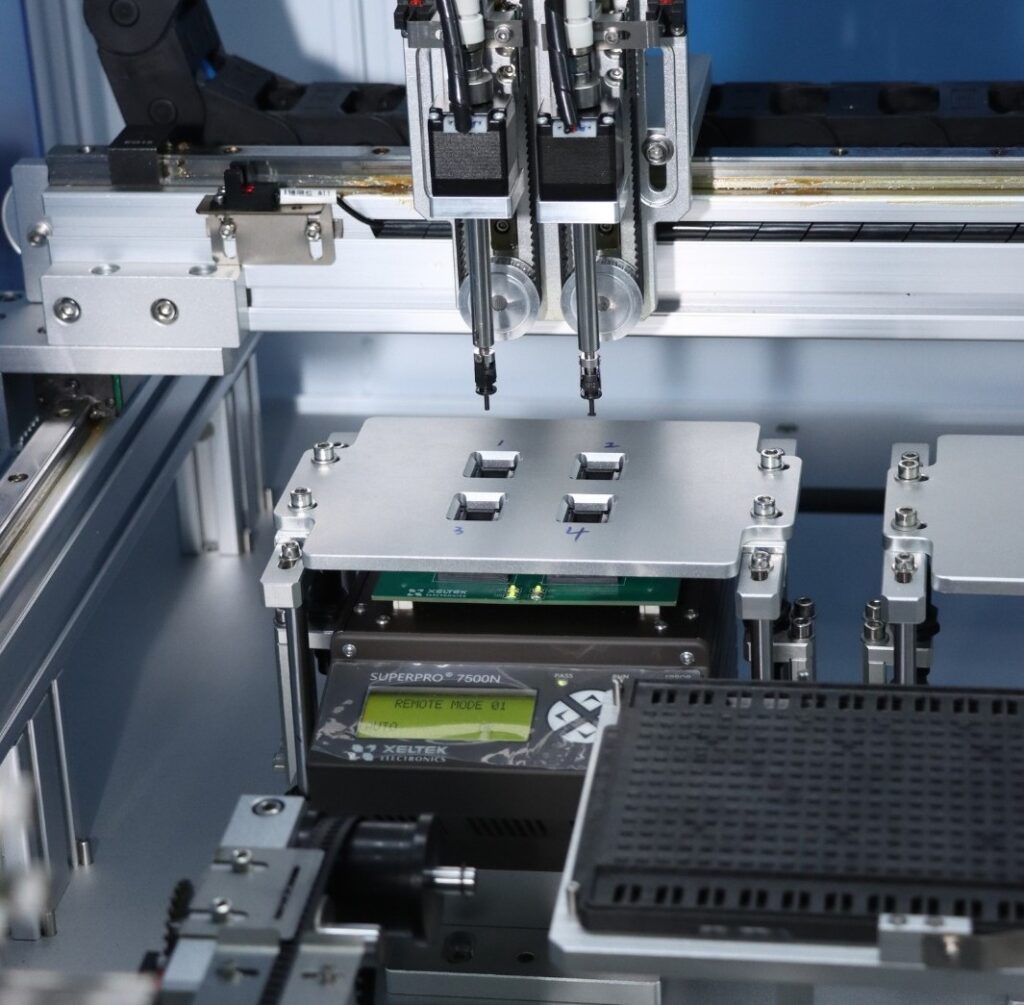
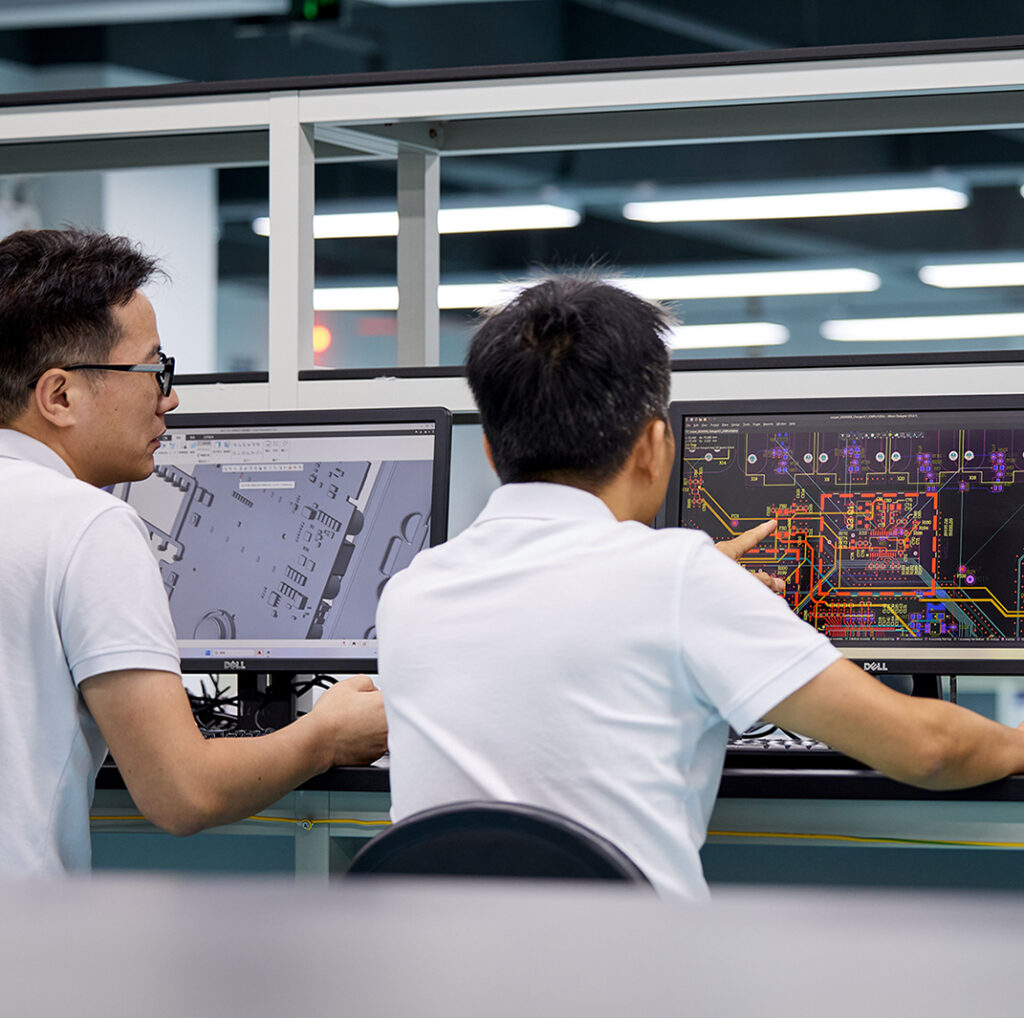
6. NPI Rapid Prototyping Centre Our dedicated New Product Introduction (NPI) centre features industrial 3D printing, a rapid PCBA prototyping line that integrates the most advanced jetting solder paste processes and SMT placement, as well as comprehensive testing facilities. This enables rapid design verification and reduces PCBA sample delivery time. Ultimately, it shortens our customers’ product development cycles by 40%.
A Foundation for the Future
The cumulative impact of these initiatives has been transformative. With a significant increase in digitalisation, and the accelerated application of artificial intelligence, Ryder offers customers a highly modern and capable production environment. Our manufacturing partnerships are characterised by high levels of labour productivity, and technology deployments have dramatically reduced the time in development cycles. This helps customers get products to market faster, more reliably and more cost effectively.
The benefits of this initiative do not end there, however. This recognition is a milestone on our Advanced Manufacturing Hub roadmap, and we are already extending these proven practices to our Jiangxi facility. As a business, we are well on our way to our target of achieving China Smart Manufacturing Level 5 (equivalent to Industry 4.0). This ensures we will continue to offer an innovative and quality solution for global brands that demand manufacturing excellence.